- The Wipeout Weekly
- Posts
- 🏄♀️ Can surfing be unhealthy? 🤒
🏄♀️ Can surfing be unhealthy? 🤒
Plus: Skeleton Bay, the shortboard revolution, a surf coach yelled at me, and a very short surf news roundup.


👋 Happy Thurs-o-Friday! Someone asked on Threads—how long do you wait after rain before getting back in the water? We said: 72 hours. They said: But there are people out there. We said: There are always people out there. 😜
It’s worth the wait. Run-off can make you sick, and after heavy rain sharks move closer to shore (Australia).
🏄♀️ Let’s surf:
Can surfing be unhealthy? 🤒
Skeleton Bay and the art of not going there ☠️
The day longboarding died 🪦
The Rockaways made me a surfer at 47 🏄🏻♀️
My surf coach shouted at me 🫣
Very short surf news roundup 🗞️
SURFODRAMA
😱 Can surfing be unhealthy? 🤒
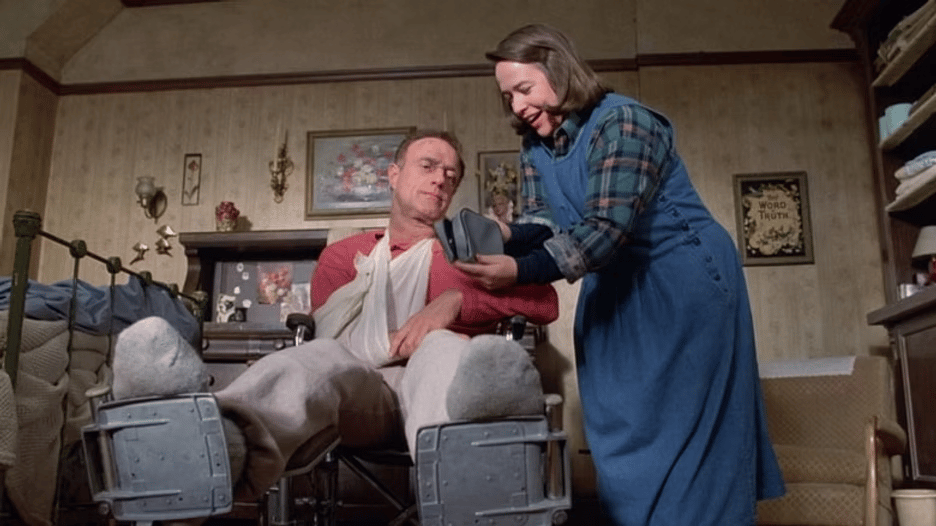
When I asked if surfing can be unhealthy, some surfers assumed that I was talking about physical health. And rightly so.
I fashion many-a-scar brought on by surfing. I have scarred knees from getting stuck while popping up, scars on my shins from walking into the fins (when stored stationary), and a coral scar from landing on a reef. I’m very proud of the latter one.
I have also scraped my boobs raw when surfing in a bikini and suffered not-quite-concussions from getting hit by my board.
This stuff happens to everyone. Not even like a surf tax, it’s already included in the price.
🤪 Can surfing be unhealthy—mentally?
What I was actually asking was, in my mind: can surfing become very unhealthy mentally? I know it could.
When I spoke to Matt Warshaw, the dude who used to be a pro surfer and wrote The History of Surfing and The Encyclopedia of Surfing, he said that surfing became “negatively consuming” for him. He got to the point where he was no longer enjoying surfing.
So, how do you stop surfing from becoming a compulsion? How do you keep the enjoyment and other “bad” stuff at bay?
🖕Signs your relationship with surfing might be tilting
The first, important step is to recognize where we stand. Does any of this ring true?
You suffer from surveillance anxiety. Checking Surfline constantly. Comparing yourself to your surf buddies: who’s out, how big are the waves, who’s braver, who’s more committed.
Your identity is under threat. How can I even call myself a surfer if I am not out now? I’m not out in all the conditions. If others surf and I don’t, I have clearly failed.
You experience a scarcity mindset. Good waves feel rare. Missing one feels like wasting life. Why am I not out there?!
Maybe you’ve become a little bit too invested in measuring your progress and obsessively seek to retain your “I went out 5 days this week” streak.
Or you deprioritize other life experiences because going on vacation to surf is the only reasonable decision. How are you going to progress otherwise?
Better still, you miss your anniversary dinner because you’re squeezing the last of the hurricane swell.
Sounds familiar?
🙈 Obsession isn’t automatically bad
Before we proceed, I want to make one thing very clear. I’m the last person on earth to tell you how to live your life.
I don’t actually believe being obsessed with surfing is a bad thing at all, as long as you are fully aware of the consequences and you accept them.
It’s totally okay to make life decisions around surfing.
You can make career decisions dictated by swell, you can travel only for waves, you can allow your life to narrow to a single focus that is surfing. You can solve anxiety by surrendering to identity, not detaching from it. And that is absolutely fine. Happy days!
🦕 The evolution of a surfer
Most surfers seem to be going through an evolution of their relationship with surfing, a certain timeline.
First, there’s a discovery phase, this pure joy of surfing and the “I have never done this before” revelation.
Second, we become a teeny tiny bit obsessed. Our lives get reorganized around surfing. Our free time is now surf-dependent.
Then, as we start comparing ourselves to other surfers, that’s where anxiety kicks in.
Thankfully, this is followed by acceptance—whether this means that you dedicate your life to surfing or you find a way for it to remain a delightful pastime.
😌 Reaching surfing nirvana
All of this means that it’s actually pretty simple to make sure that surfing doesn’t become very unhealthy for you.
It can play a big role in your life. The biggest, if you choose to. As with other things in surfing, it’s not deciding what role it will play that makes it mentally exhausting. Once you decide either way, you’re finally at ease. You’ve reached surfing nirvana.
WAVE OF THE WEEK
☠️ Skeleton Bay and the art of not going there

Have you ever heard of Skeleton Bay? We had not either. Until now, of course. Let’s talk about one of the most famous left-hand breaks in the world.
🌍 Where on earth is Skeleton Bay
Skeleton Bay sits inside the Skeleton Coast National Park in Namibia, along Africa’s southwest edge. The name derives from the whale and seal bones that once littered the shore, as well as the skeletal remains of shipwrecks—victims of dense fog, strong currents, and a brutal coastline.
Skeleton Bay is a pain in the ass. It’s remote, you have to stay about 45 minutes’ drive from the waves, and you could spend a couple of weeks waiting for the wave—and it may still not happen. This must be horrifically frustrating because the potential of Skeleton Bay is immense. We’re talking mile-long rides and 30-second barrels.
🌊 When it works—and why it barely does
The wave is a fickle mistress. It only works in the winter months for the Southern Hemisphere (May–September) and needs a very long-period groundswell to start working. And then it works for a day or two and it’s all over.
The water is cold, and wetsuits are required year-round. If you think sharks would be your main concern, think again: extreme hold-downs and remoteness are going to be your biggest enemy.
South African pro surfer Simon Nicholson called Skeleton Bay “a wave reserved only for the brave, and even then it’s a waste of time without the skills to back it up.”
🛰️ How the internet “discovered” Skeleton Bay
Local knowledge existed for years, but Skeleton Bay was “discovered” as part of Surfing magazine’s 2007 Google Earth Challenge—a contest that asked readers to submit satellite images of potential undiscovered surf breaks.
In July 2008, the contest winner Brian Gable, a software developer from Irvine, California—because of course—flew to Africa with pro surfers Cory Lopez, Peter Mendia, Hank Gaskell, and Mitch Coleborn. Once the footage dropped, the internet basically lost its mind.
Since then, access has been intentionally limited to prevent overuse and protect the environment—you need a permit. It helps that there’s no infrastructure at the wave itself, so be ready for a long drive.
Actually, don’t—because a) the trip would cost you a few thousand dollars, and b) if you’re reading The Wipeout Weekly, you are absolutely not ready. And that’s ok!
SURF THRU HISTORY
🪦 The day longboarding died

We’ve been trying to write about the shortboarding revolution for a while now—and honestly, we struggled.
Because this isn’t just a story about smaller boards.
It’s a story about bigger-than-life personalities, geopolitical conflict, rushed surfboard design, threatened business interests, and… wait for it… the decline of surfing.
It took Matt Warshaw countless pages in History of Surfing. And it’s a coffee-table book—these are ginormous pages. How can we distill this into a cohesive story and do it justice?
We think we did it.
It’s still slightly too long for the newsletter (“revolution won’t be brief”), but where else are you going to read about major surfboard manufacturers leaning on Surfer magazine to suppress in-depth reporting on shortboards?
Yes. That happened.
GIRL WHO ROCKED THE ROCKAWAYS
🏄🏻♀️ The Rockaways made me surfer at 47

How often do you hear about someone getting into surfing because of their kid? Rarely, if ever. It’s usually the other way around.
Meet Suzanne from Brooklyn, New York, who learned to surf at Rockaway Beach—of all places.
She followed in her son’s footsteps, with a little help from the Black Surfing Association. And it’s turned into a completely different kind of surf journey
HEY ZUZ, I’M CONFUSED
🫣 Hey Zuz, I'm confused: My surf coach shouted at me

Let’s talk surf coaches.
This is a delicate topic. We don’t tend to talk about it for fear of repercussions. The power imbalance. The community response.
But it’s an important subject nevertheless, so we’re going to tackle it. We’re not going to make surf culture any better by staying silent.
As always, Hey Zuz, I’m Confused is based on aggregated stories, questions, and opinions.
And before we totally spiral—there are far more surf coaches who will make you fall in love with surfing over and over again than those who will make you want to quit.
THE WIPEOUT WEEKLY SURF NEWS ROUNDUP
🗞️ Little good news—so a super short surf news roundup
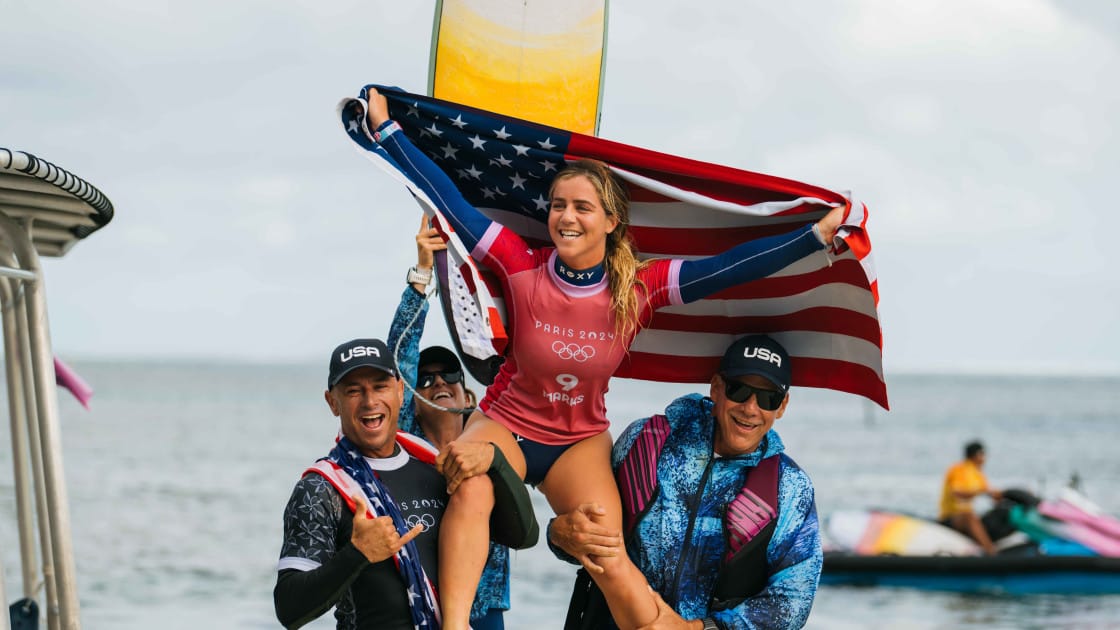
🏅 Olympics power struggles
Olympic qualification could shift away from the WSL Championship Tour and toward ISA events for LA 2028, potentially reshaping who makes the Games.
🌧️🏄♂️ Surfing the puddles in Long Beach
A Long Beach surfer took advantage of flooded streets during a winter storm, getting towed behind a truck and turning neighborhood runoff into a temporary surf break.
ALL THINGS THE WIPEOUT WEEKLY
The Wipeout Weekly—our home and digital magazine.
The Wee Surf Shoppe—explore useful, cute, and sometimes simply outrageous surf “stuffs”.
The Wipeout Weekly podcast—daily surf stories and weekly* guests.
All Things Surf Directory—surf retreats, learn to surf, classifieds, surf-side lodging, you name it.
Girls Who Can’t Surf Good—an 86k-member-strong private group on Facebook.
Feedback—we do want to hear from you! Whatever is on your mind, drop us a line.
⬆️ Aaaaaaand that was the last wave of the week!
If a friend forwarded this and you liked it, hit subscribe & join us! We will see you all next week! 🌊
🏄 How was this week's edition of The Wipeout Weekly?Drop in with your pick 👇 |
Reply