- The Wipeout Weekly
- Posts
- 🏄♀️ Surfers say the stupidest things 🤡
🏄♀️ Surfers say the stupidest things 🤡
Plus: First aid kits, flying squirrels, and stacked surf news


👋 Happy post–April Fools! No jokes today—apart from maybe our main story, which does sound a bit like one. Then again, so does surf culture sometimes.
🏄♀️ Let’s surf:
Surfers say the stupidest things 🤡
Aerialist or a flying squirrel? 🐿️
Bring a first aid kit to the break ⛑️
Super stacked news 🗞️
Be our hero 🦸♀️
SURFODRAMA
😱 Surfers say the stupidest things 🤡
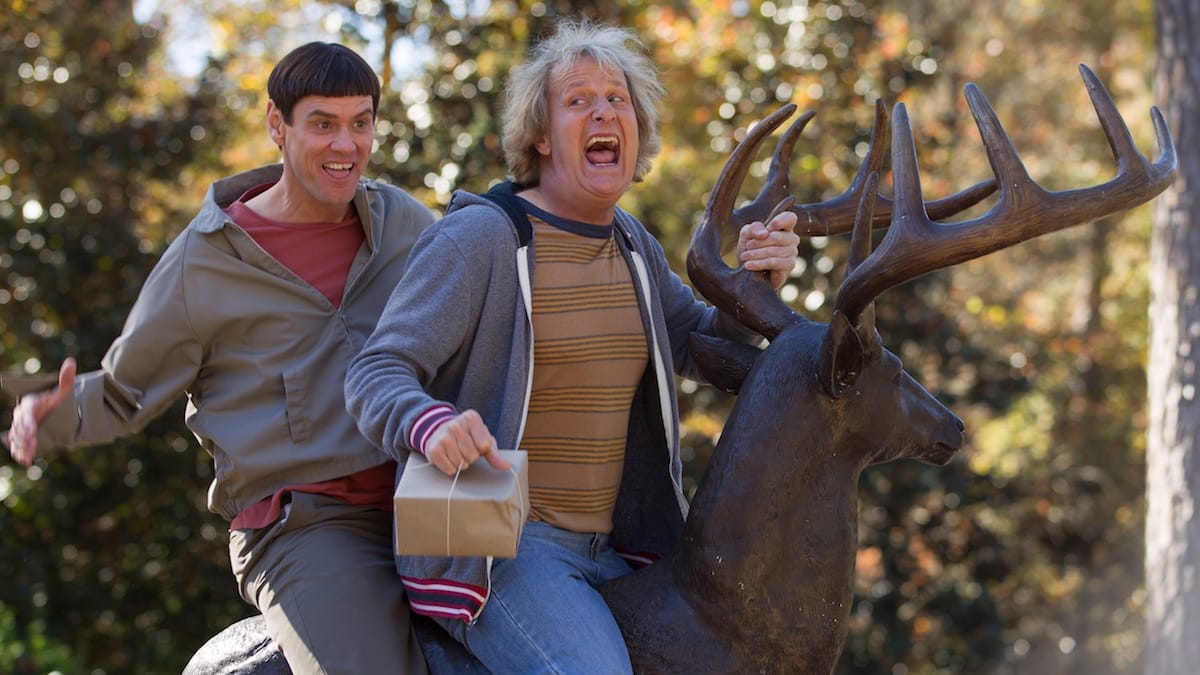
At The Wipeout Weekly, we are gluttons for stupid things surfers say.
We just want to hug these poor, misguided sea creatures and hold them in a mothering bear hug long enough for the stupidity to pass. Sometimes, we just have to hug ourselves to keep us honest.
Drama #1️⃣
Like just this week, on a social network that rhymes with “read it”—a beginner surfer complained that an instructor told them they’ll probably never see a shortboard in their life.
Suddenly, no fewer than 150 surfers had a stake in this surfodrama. The conditions must’ve been atrocious.
We had the realists (“shortboards are hard”), the optimists (“you can do anything”), and a few insufferable a-holes doing their best 1990s surf bro impression.
And finally, a small group who actually knew what they were talking about—and explained what’s really going on: you gotta put in the hours. Shortboarding is accessible to most, but not efficient or fun early on for most beginners.
Yet few recognized that the surf coach was either a total douche—or just said something careless without thinking about the impact. And even fewer advised the surfer to just get on with their surfing journey and pay no attention.
Drama #2️⃣
Then, on a social network that rhymes with “anagram”, surf influencer Jonathan Wayne Freeman got himself into trouble for rating women surfers’ bodies—specifically their buttocks—prompting:
Tick all that apply:
a) backlash over his comments
b) support for “speaking the truth”
c) outrage over skimpy clothing
d) jokes not safe to print
Once again, few stopped, narrowed their eyes, pointed their fingers and exclaimed: Rage bait! Because the line between entertainment and respect in surf culture has blurred so much—you need a magnifying glass.
Surf culture was strange to begin with, but social media took its weirdness to the next level. Dare we say it, it made it worse?
Talking about surfing online became no different than talking about politics. Everyone’s an expert—and no one’s actually in the water.
We keep discovering time and time again that surf culture has barely evolved—or perhaps even regressed.
Online, experienced surfers cannot stand kooks, middle-aged men think it’s fine to comment on women’s bodies, and some women feel empowered to tell off other women about their surf fashion—and so on.
It’s almost as if we should just go surfing instead. Whatever the conditions.
And remember: surfers say the stupidest things. 😜
WORD OF THE WEEEK
🐿️ Are you an aerialist or a flying squirrel?

Ever wanted to become an aerialist? It might help to understand what it actually takes—and where it even came from.
Imagine a world where aerials didn’t exist in surfing. It wasn’t that long ago, because an aerial only came onto the scene in the 1970s and came into its own in the 1990s, when it became its own branch of surfing with aerial specialists and aerial-only competitions.
🛹 From skate parks to surf breaks
Now, how did we get here? You may remember that surfing came before skateboarding, but skateboarding airs came first—and influenced surfing airs.
An aerial (or air) happens when a surfer launches herself off the wave crest into, well, air, performs one of the board-and-body-torquing maneuvers, and lands back on the wave face. Aerials tend to be performed in waves under six feet.
Matt Warshaw, the surfing historian, considers the aerial revolution a slow one: “Surfboards couldn’t be gripped and handled in the air as easily as skateboards, and waves, unlike pools, change shape constantly. The ‘chop-hop,’ an early and rightfully maligned aerial variant, was enough to keep most progressive surfers working on deep turns and tuberides,” he said.
💫 The aerial revolution
As slow as it might’ve been, the evolution of aerial surfing was pretty colorful. Early on, the surf media called the aerialists “flying squirrels,” and some surfers didn’t consider it true surfing.
But then, in the 1980s, John Holeman from the East Coast performed a 360-degree aerial rotation, and Christian Fletcher and Matt Archbold of San Clemente, CA, started lifting four or five feet above the crest—and everyone lost their shit about aerials.
The air vocabulary also grew, and we were rewarded with “mute air,” “indy air,” “slob air,” “madonna,” and “stalefish”—it’s all to do with hand placement on the board, you see. Then, Kelly Slater made aerials mainstream, and strapped tow-in pushed the evolution and air height even further.
🚀 How to launch one yourself
What does it take to perform an air? I am definitely not speaking from experience, but it starts with wave selection. Look for a medium-sized, powerful wave with a strong lip to launch off. Then, you need to build speed by pumping. Stay in the pocket or curl of the wave!
As you approach the lip, perform a shallow bottom turn to maintain speed and angle your board to project upward—not straight up. Finally, coil your body like a spring before hitting the lip, then extend your legs and lift your arms to launch off the wave. A slight push with your front foot at the lip can help launch the board.
Once you get great at it, you can head to the Stab High competition sponsored by Monster Energy (you’ve just missed it—it was last week in Sydney).
Alas, Red Bull Airborne hasn’t taken place for a few years now. Shame, because I heard it gives you wiiiiings.
SURF SKILLS
⛑️ Bring a first aid kit to the break

Surfing ain’t easy. Ever. It’s hard when you start. It’s hard when you progress. It’s hard when you’re good. And it gets harder as time passes by. You’re either on the bus or you’re off the bus, but we are leaving!
The last thing we want to hear is that we should bring a first aid kit when we’re going out. Because surfing is supposed to be a delightful pastime—not some dangerous endeavor that leaves you scarred for life.
But recently—more often than ever—we’re hearing about surfers becoming lifeguards themselves, rescuing swimmers caught in rip currents or fellow surfers stuck on rocks.
We don’t assume everyone is trained to perform open ocean rescue, but we want you to be prepared if your surf buddy gets into trouble.
🦸♀️ No lifeguard around
Here’s what to do when your buddy gets smacked by a board in the surf and there’s no one else to help:
Ask them if they’re okay, if they can paddle, where it hurts
Help them out of the water
Check for bleeding, disorientation, or any signs of head or spinal injury
If it’s minor, make sure they rest, hydrate, and monitor for signs of shock (paleness, dizziness, shallow breathing)
Rinse the injury with fresh water
If it’s bleeding heavily, apply pressure with a towel or shirt
If it looks serious, don’t move them—get help
You might’ve heard about BWRAG, the Big Wave Risk Assessment Group, and the courses they offer in ocean safety. They’re available to surfers at any level and teach lifesaving skills that apply to waves of all sizes—from 2-foot rollers to Mavericks monsters.
It’s not a cheap affair—$500+ for a two-day course (we don’t think lunch is even included)—but we hear it’s absolutely worth it.
THE WIPEOUT WEEKLY SURF NEWS ROUNDUP
🗞️ Girls win big. Kelly’s new pool. New book on surfing in Florida.
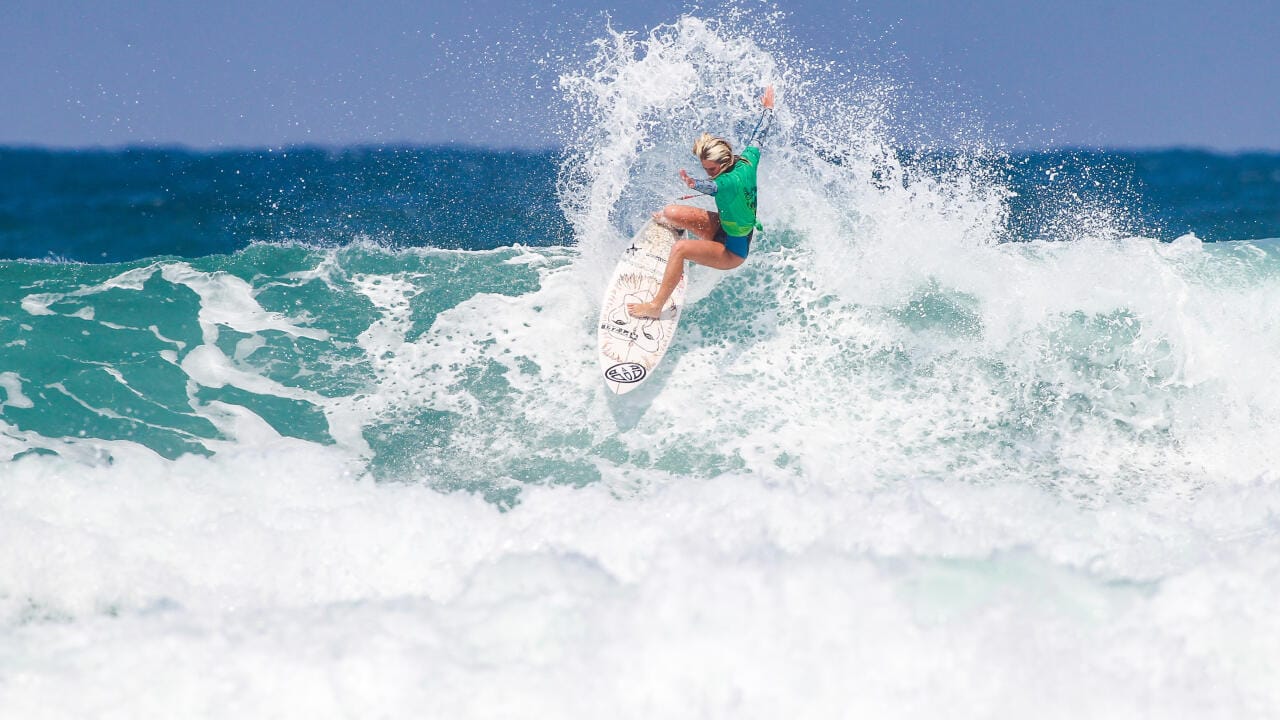
🌊 Surf tour returns with Moore, Gilmore, Medina back
The 2026 WSL Championship Tour kicks off with the return of Carissa Moore, Stephanie Gilmore, and Gabriel Medina, mixing veteran power with a new generation across 12 global stops.
🇬🇧 Alys Barton becomes first uk surfer to qualify for challenger series
Alys Barton makes history as the first UK surfer to qualify for the Challenger Series, highlighting both progress and the financial realities of competing globally.
🚗 Lexus adds Caroline Marks to its surf ambassador roster
Lexus signs Olympic gold medalist Caroline Marks as it deepens its investment in pro surfing and athlete-driven brand partnerships.
🌊 Kelly Slater’s 2,000-foot wave pool is coming to Texas
A massive surf park in Austin will feature a ~2,000-foot wave basin, luxury amenities, and big name investors, blending surfing with real estate and lifestyle development.
📚 Cocoa Beach writer spotlights Florida surf culture in new book
A new book explores the history and impact of Florida’s Space Coast surf scene, showing how it shaped East Coast surfing beyond the usual hotspots.
HOUSEKEEPING
🏄♀️ Keep us ad-free. Get yourself something cool, cute—or both 😏
We don’t know if you’ve noticed, but there are no ads in The Wipeout Weekly. No subscriptions either. And no promos in the Girls Who Can’t Surf Good group.
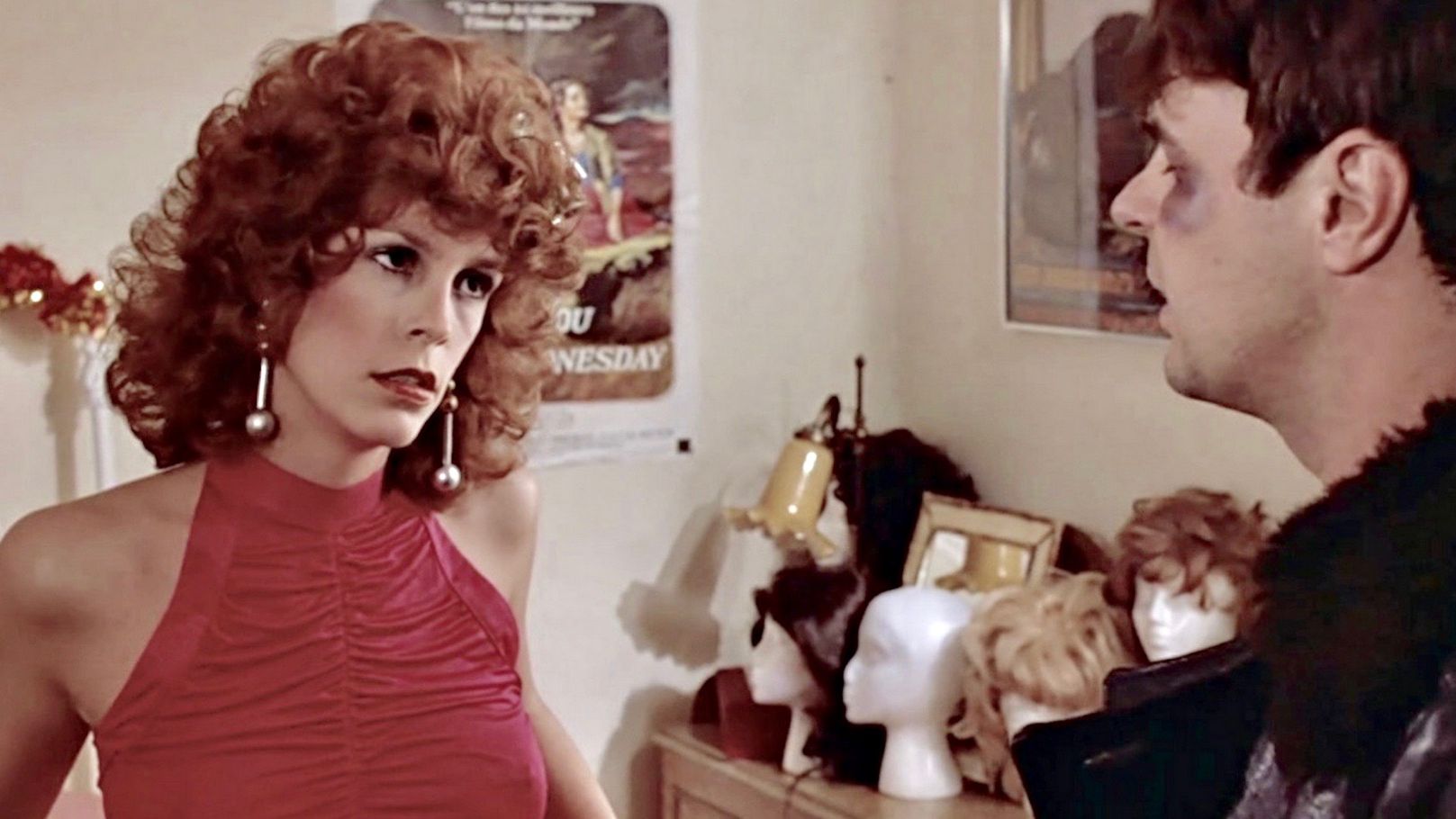
But just like Jamie Lee Curtis said in Trading Places: “Taxis cost money, food costs money, and rent costs money.”
Running this also costs money.
If you’d like to support The Wipeout Weekly, we’ve got our own range of Da Merch. Every purchase goes directly toward keeping this newsletter and site going.
Plus our merch stuff is really fun. We won’t embarrass you!
And since everyone likes a promo code, here’s one for 20% off: SURFGOOD
ALL THINGS THE WIPEOUT WEEKLY
The Wipeout Weekly—our home and digital magazine.
The Wee Surf Shoppe—explore useful, cute, and sometimes simply outrageous surf “stuffs”.
The Wipeout Weekly podcast—daily surf stories and weekly* guests.
All Things Surf Directory—surf retreats, learn to surf, classifieds, surf-side lodging, you name it.
Girls Who Can’t Surf Good—an 86k-member-strong private group on Facebook.
Feedback—we do want to hear from you! Whatever is on your mind, drop us a line.
⬆️ Aaaaaaand that was the last wave of the week!
If a friend forwarded this and you liked it, hit subscribe & join us! We will see you all next week! 🌊
🏄 How was this week's edition of The Wipeout Weekly?Drop in with your pick 👇 |
Reply